
Published by Dating Again After Divorce
Risk Begins With What a Profile Reveals
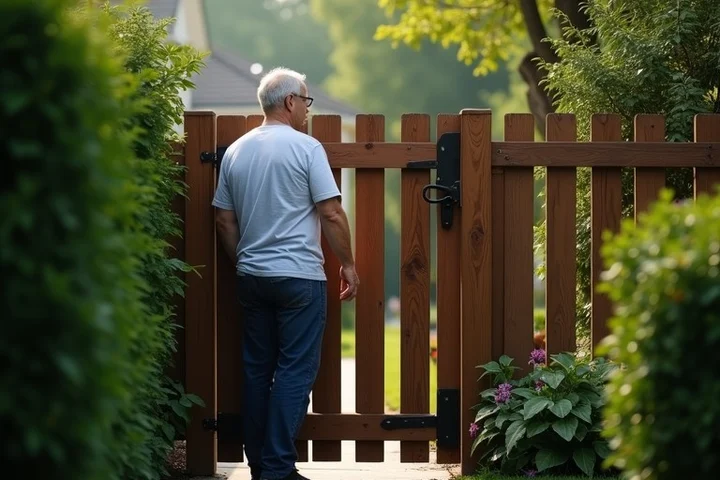
Divorce-related detail can identify more than marital status. References to an ex-partner, children, a neighborhood, a workplace, a court matter, a home, or a familiar daily route can expose location, family structure, and personal history. Describing property, debt, support arrangements, or financial stress also gives a new contact information about your circumstances before trust exists.
FTC privacy guidance supports limiting identifying information and protecting accounts and personal data online. That guidance cannot determine how a particular person will use information, and a dating profile rarely exists in isolation: someone can combine small clues with public social-media posts or other online records.
Keep divorce disclosure factual and broad at first. Remove house-front photos, children’s identifying details, exact routines, and financial specifics. Review connected social accounts and location clues before publishing or sending anything, and keep early conversation on the dating service when possible.
Keep Sensitive Information Out of Early Contact
Early interest does not require access to your home, accounts, documents, or schedule. Hold back:
- Location details. Your home address, building information, neighborhood landmarks, workplace address, children’s school, and places you visit at predictable times.
- Financial information. Bank and investment details, income, debt, support payments, property information, payment-app identifiers, and photographs of checks or cards.
- Account access. Passwords, one-time verification codes, security-question answers, recovery links, and permission to use or manage any account.
- Identity documents. A driver’s license, passport, Social Security information, divorce decree, court filings, custody documents, or other records containing identifying data.
- Family identifiers. Children’s full names, schedules, school details, photographs that show identifying locations, and detailed information about an ex-partner.
- Precise routines. Your regular commute, times when you are alone, travel plans, or the dates and locations of upcoming appointments.
- Off-platform contact. Do not let pressure to move immediately to private text, email, or another service override your preference to keep messages where the platform’s reporting record remains available.
- A separate contact method. A separate phone number can limit exposure during early contact, but it does not verify identity or guarantee safe conduct.
What To Know About Romance Scams · Online Privacy and Security
Treat Money Requests as a Stop Signal
Requests for money, gifts, transfers, account access, or urgent financial help deserve an immediate stop. Romance scammers commonly use fake dating profiles, build trust, move conversations away from the platform, and then ask for money. An emergency story involving travel, medical care, legal trouble, a bill, or a time-limited opportunity does not create an obligation to pay.
The FTC describes requests for money as a central feature of romance scams, while the FBI describes fake online identities used to gain trust and manipulate or steal from victims. Neither agency’s guidance can establish that every person making a request is a scammer, but a request is serious enough to end financial involvement and reassess contact.
Send no payment, gift card, wire transfer, cryptocurrency, account credential, or verification code. Save the profile, usernames, messages, payment instructions, and dates before blocking if doing so will not increase your risk. Report suspected conduct through the dating platform and to the FTC; the FBI also directs romance-scam reports to the Internet Crime Complaint Center, or IC3.
Before the First Offline Meeting
Basic checks and controlled logistics reduce exposure, but they do not certify a person’s identity or intentions.
- Keep the conversation on the dating service while you decide whether to meet. Ask ordinary questions about the person’s life and compare later answers with earlier messages. Reverse-image search the profile photo, as the FTC and FBI advise researching profile images, and consider a live video call. Refusal, unexplained changes, or pressure to skip these steps justify postponing or ending the meeting; none of these checks proves who is behind the account.
- Choose a busy public place that you can leave easily. Do not disclose your home address or agree to meet first at either person’s home, a hotel room, or an isolated location.
- Arrange independent transportation. Drive yourself, use transportation you control, or make another plan that does not depend on the date for pickup or the trip home.
- Tell a trusted person who you are meeting, where you will be, and when you expect to return. Share the profile or contact details and arrange a check-in. Keep your phone charged and accessible.
- Leave when the person pressures you, changes the location without agreement, ignores your limits, or makes you feel unsafe. You do not need to explain the decision or continue the date to be polite.
Report, Block, and Escalate When Needed
Use the dating platform’s current report and block tools for fake profiles, money requests, harassment, threats, or pressure to leave the service. Platform processes differ and can change, so check the service’s current help or safety page. Preserve relevant messages and profile information before blocking when you can do so safely.
Report suspected romance scams to the Federal Trade Commission. The FBI advises reporting romance scams through IC3, its Internet Crime Complaint Center. These reports help authorities receive information about suspected fraud, but filing a report does not determine the person’s identity or guarantee a particular result.
Contact local law enforcement for stalking, repeated harassment, threats, or conduct that continues after you have ended contact. Seek emergency services immediately if you face immediate danger. Do not arrange another meeting to gather proof, and do not keep responding solely to preserve a conversation.
What To Know About Romance Scams · Online Privacy and Security · Romance Scams
Safety Is a Boundary, Not a Trust Test
Privacy limits, refusal to send money, basic identity checks, public meetings, independent transportation, and a trusted person’s awareness all reduce exposure. None guarantees that a profile is genuine or that a person will behave safely. General guidance cannot determine whether a particular contact is dangerous.
Before sharing more or meeting offline, confirm that your home, finances, credentials, and documents remain private; no money request has been accepted; the person has answered basic questions without coercion; the location is public; your transportation is independent; and someone you trust knows the plan. If any part changes under pressure, pause contact and use the appropriate reporting or emergency path.
What To Know About Romance Scams · Online Privacy and Security · Romance Scams
Where the factual details come from
- What To Know About Romance Scams — Federal Trade Commission
- Online Privacy and Security — Federal Trade Commission
- Romance Scams — Federal Bureau of Investigation