
Published by Dating Again After Divorce
Start by rebuilding a social life, not a dating pipeline
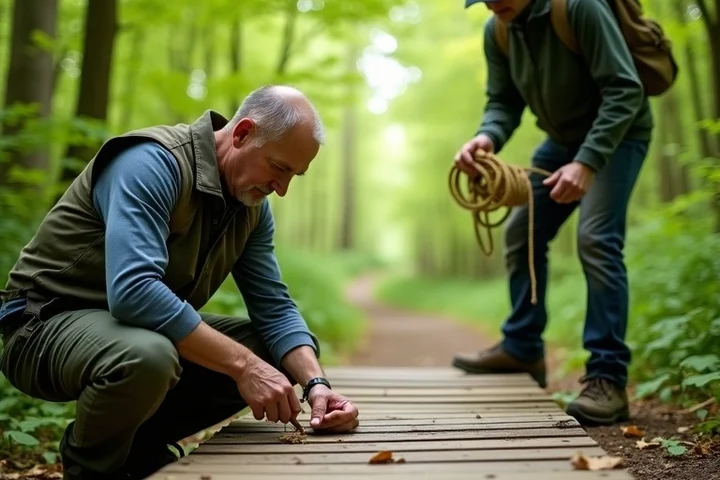
Divorce often leaves a social routine shaped by a former marriage: shared friends, couple-centered invitations, or habits that kept you home. Build new reasons to be around people before expecting romance to appear.
Choose activities you would attend even if you met no potential date. Start with interests you already have or want to return to, such as a class, a recreational activity, volunteer work, a discussion group, or a community project.
Put those activities in your calendar as part of your life, not as a search assignment. A group remains worth attending when it gives you conversation, structure, friends, or an interest you enjoy.
Choose settings where familiarity can grow
- Pick an activity with a repeat schedule. Look for a weekly class, a recurring volunteer shift, a recreational league, a book discussion, a faith-community activity, or a committee that meets regularly. Repeat attendance lets names, faces, and conversations become familiar over time.
- Pick an interest you will actually participate in. Select a setting that gives people a reason to talk or work together. A cooking class, trail-maintenance group, language class, choir, community garden, or service project gives you a shared subject from the start.
- Use the schedule you actually have. If work or childcare rules out evenings, choose daytime classes, weekend volunteer roles, parent-free hours, lunch-break groups, or a recurring activity near your work schedule. A setting you can attend consistently beats an ideal plan that conflicts with your week.
- Stay with the setting long enough to participate. Return for multiple meetings, introduce yourself, and join the conversation around the activity. One-off gatherings still offer contact, but they rarely provide the repeated exposure that makes a new social circle easier to enter.
- Leave settings that turn uncomfortable. When a group feels overly focused on pairing people off or leaves you tense, move to another format. Retain the interest, service, or social goal while changing the group.
Using your existing network without making it awkward
Tell one or two trusted friends, relatives, colleagues, or community contacts that you would welcome an introduction. People often assume a newly divorced friend wants privacy unless told otherwise.
Give a little context so the introduction has a basis. Name the type of date you would enjoy, such as coffee, a walk, dinner, or an event, and mention broad preferences that matter to you, such as shared interests, life stage, or availability.
Make the request light: “I’m interested in meeting someone and would be glad to be introduced if a good fit comes to mind. I’m looking for a relaxed coffee or activity date.” This gives a friend enough direction to make a thoughtful connection without turning them into a recruiter.
Making a low-pressure invitation
- Move from a real conversation to one clear plan. Invite someone after you have had an easy exchange and found a shared topic, such as a restaurant, a local exhibit, a hobby, or the activity you both attend. Do not treat every new acquaintance as a dating prospect.
- Name the activity and timing. Use a short invitation with a clear next step: “I’ve enjoyed talking with you. Would you like to get coffee Saturday afternoon?” If you want to remove ambiguity, say, “I’d like to take you out for coffee. Are you free Saturday?”
- Accept the answer cleanly. If they agree, settle on a time and place. If they decline or stay vague, say, “No problem—it was good talking with you,” and continue treating them respectfully in the group.
Completion check: keep the social part worthwhile
- You have chosen at least two activities or settings you would attend for their own sake, with at least one that repeats on a dependable schedule.
- Your choices fit your real work, childcare, and weekend availability.
- You are participating in interest-based groups, volunteering, or community involvement where conversation has a natural starting point.
- At least one trusted person knows that introductions are welcome and has enough context to make one thoughtfully.
- You have a simple invitation ready: name an activity, offer a time, and leave space for an easy no.
- You are keeping the activities because they add people, interests, and structure to your life. If romance develops, you have a direct way to act; if it does not, the social routine still holds value.