
Published by Dating Again After Divorce
Fear is not one thing
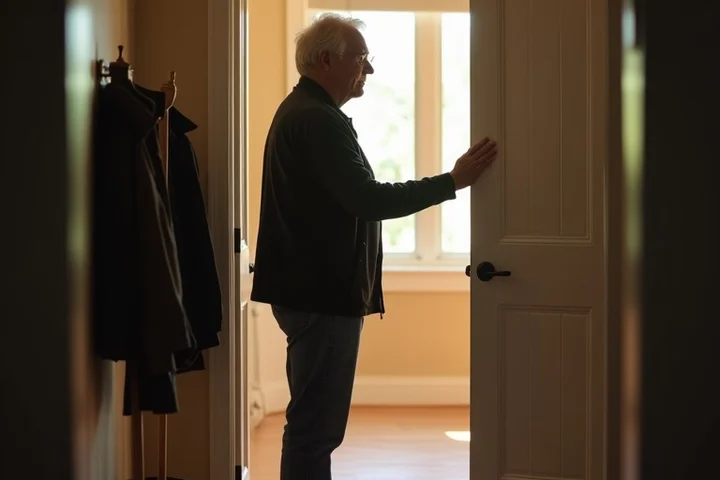
A person grieving the end of a marriage is responding to loss, identity disruption, and the sudden removal of familiar routines. Someone who experienced betrayal or prolonged conflict may expect closeness to bring manipulation, criticism, or another painful reversal. Someone else feels afraid because the marriage has weakened their trust in their own choices: if they misjudged a spouse, they may question their ability to judge a future partner. These reactions all appear as reluctance to date, but they protect against different dangers.
Unfamiliarity adds another layer. Dating conversations, apps, profiles, and expectations around pace can feel socially foreign after years in one relationship, so uncertainty gets translated into danger. Fear of being hurt again then joins fear of making a poor choice, and both can become attached to the simple act of replying to a message or meeting someone new. The result is often a broad conclusion—dating is unsafe, exhausting, or destined to end badly—when the original feeling may have a much narrower source.
How protection becomes avoidance
The mind tends to treat uncertainty as a warning when past uncertainty ended painfully. Declining a date, deleting an app, or postponing a profile removes the immediate tension, and that relief teaches the nervous system that avoidance worked. The next invitation then feels more threatening because the person has had no new experience to distinguish present uncertainty from the earlier danger. Fear gains authority through repetition, even when the current person and circumstances have not recreated the old harm.
This cycle also encourages overpreparation. A divorced dater may spend months refining rules, researching dating norms, or waiting to feel completely confident, while participation remains absent. At the opposite extreme, someone may become so eager to disprove the fear that they enter dating without clear boundaries and then feel unprotected. Avoidance that continues after grief has eased, legal matters have ended, or practical demands have become manageable deserves a different interpretation from postponement during an active crisis; the old alarm may now be limiting choice more than guarding against a current threat.
When the concern is telling you something current
Reluctance deserves respect when it describes a condition that is still present. Active grief can leave a person emotionally occupied by the divorce, unable to offer attention or genuine interest to someone new. Unresolved legal matters can consume time and mental energy, while ongoing conflict or a credible safety concern can make privacy and stability more urgent than meeting potential partners. These circumstances call for attention to the underlying situation, not pressure to prove readiness by dating.
Family and work constraints also count as real limits. A parent with little dependable time may fear that dating will create another obligation or destabilize the children’s routines; that concern reflects capacity, not necessarily emotional avoidance. The distinction becomes clearer when the fear names a concrete problem—current conflict, depleted energy, unavailable time, or concern for personal safety—instead of predicting that every future connection will repeat the marriage. Real concerns and learned alarm can coexist, so recognizing one does not require dismissing the other.
What changes when fear is named accurately
Naming the fear narrows the problem. “I will be hurt again” describes a history-based prediction; “I do not trust my judgment” points toward the self-doubt created by a failed marriage; “I do not understand dating apps or current social expectations” identifies unfamiliarity; “I have no capacity while the divorce remains unresolved” identifies a present constraint. Each statement has different consequences, and none requires pretending to be fearless before making a careful choice.
This distinction also changes how confidence develops. A person who assumes poor judgment is permanent may scrutinize every interaction or hand over all decisions to fear, while a person who treats one marriage as information about past circumstances can make smaller, more deliberate choices in the present. If the condition beneath the fear remains active, postponement and attention to that condition are sensible; if it has changed, indefinite avoidance keeps an old alarm in charge. The useful implication is direct: name exactly what the fear is protecting, check whether that danger or limitation is current, and treat a real constraint differently from a generalized prediction that dating will cause harm.